On the day Maria Isabel opened its doors on Presidio Avenue, the restaurant logged 531 reservation requests through OpenTable. The dining room seats fifty. There was no walk-in service, no takeout, dinner only. The math didn't need to work out evenly for the neighborhood to notice: something new had arrived, and everyone wanted a table at once.
Five months later, a very different kind of opening happened about a mile north. The Mess Hall, a 6,200-square-foot food hall built inside a restored 1897 Army depot overlooking Crissy Field, opened at Presidio Tunnel Tops with three restaurant concepts, a coffee counter, a market, and a full bar, all built to serve a park that pulls in visitors by the thousands on a good Saturday.
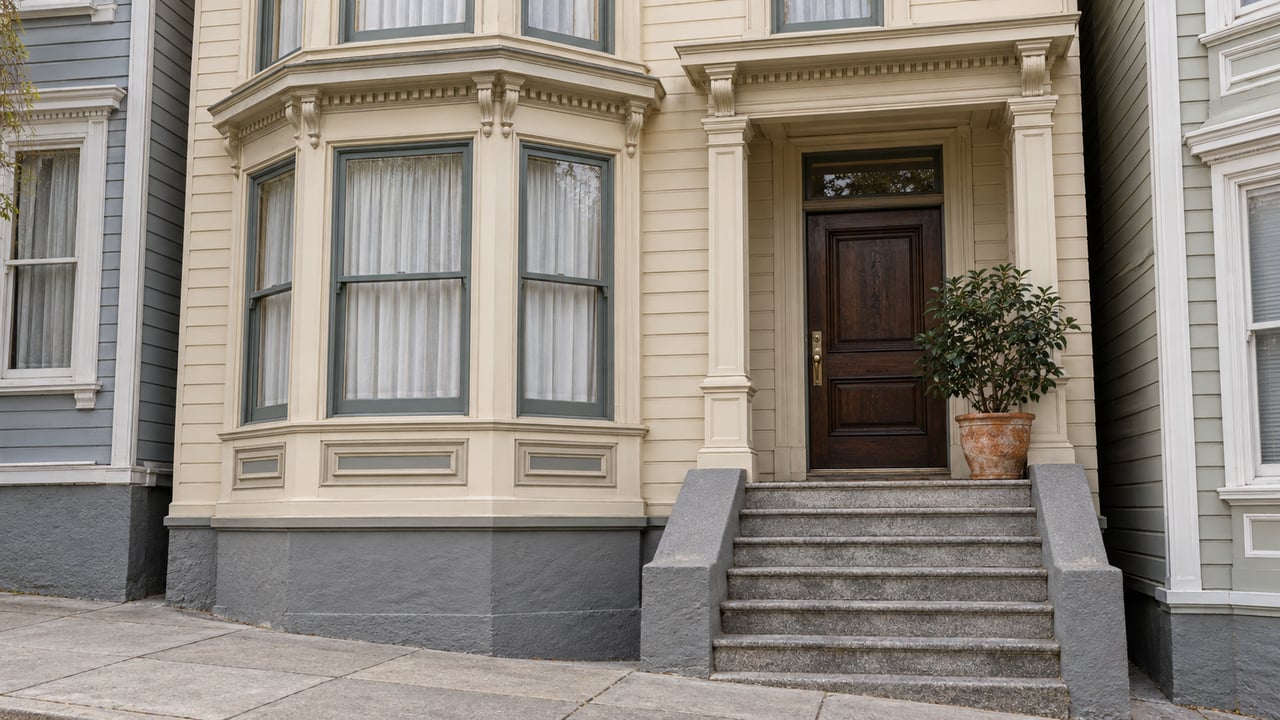
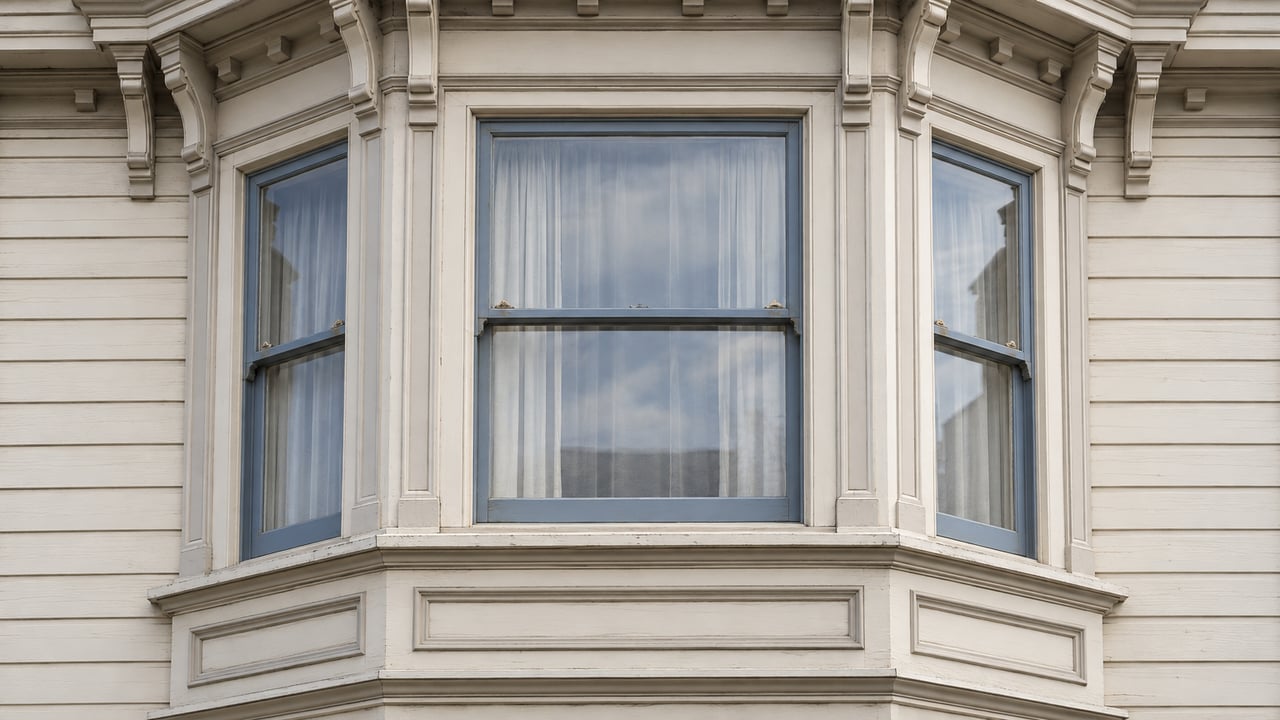
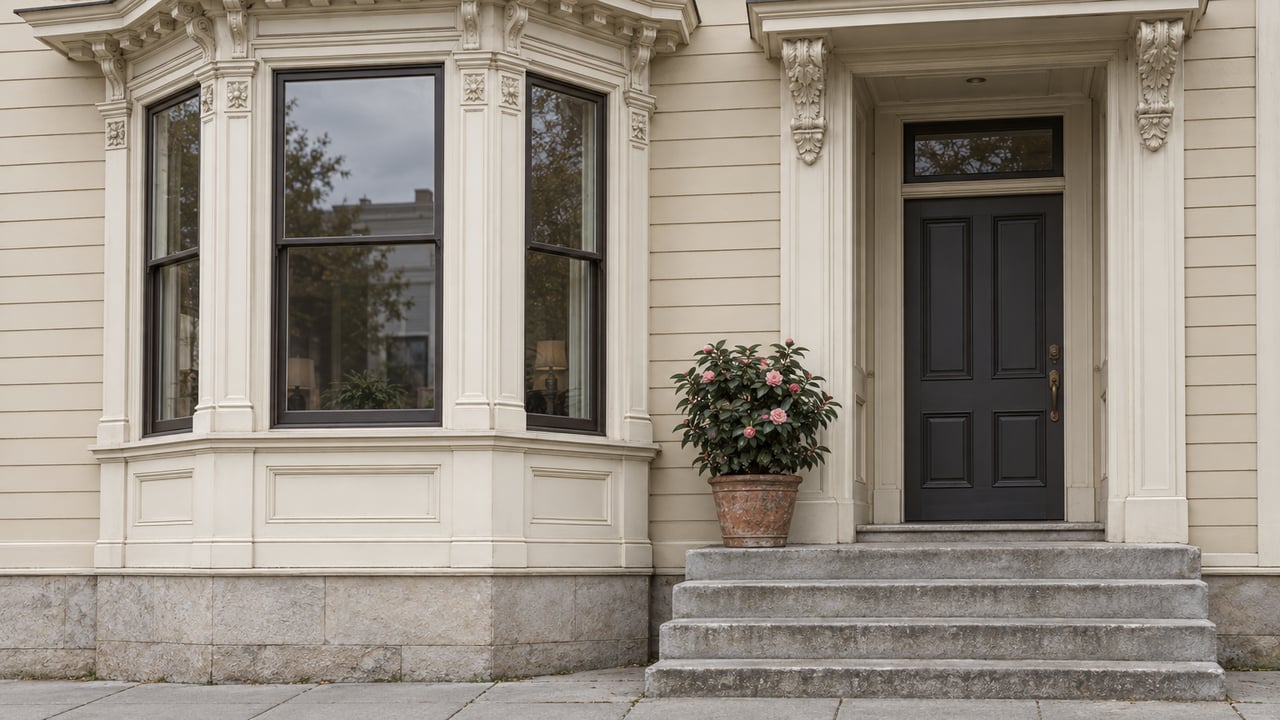
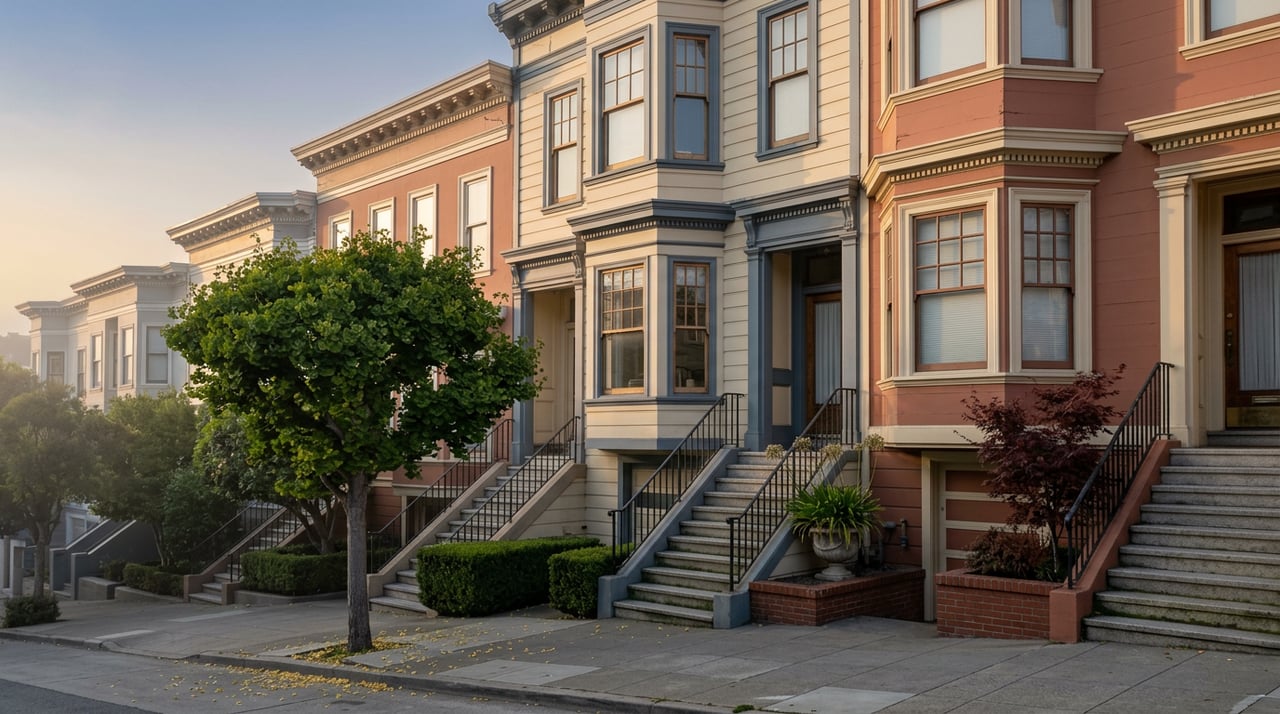
Two new places to eat, in Presidio Heights and the Presidio, about a mile apart. Almost nothing else in common. That contrast shows two different dining settings in and around Presidio Heights.
A Smaller Second Restaurant
Laura and Sayat Ozyilmaz already had a hit. Dalida, their pan-Mediterranean restaurant in the Presidio, had been packing tables for almost three years and had already earned Laura a semifinalist run on Top Chef. For their second restaurant, they took over a residential-adjacent space on Presidio Avenue that had spent years as Ella's American Kitchen, a five-minute drive from their first restaurant, and opened a smaller room with a more personal feel.
Maria Isabel is named for Laura's mother, Isabel, and her sister, Maria. The room is split into two distinct halves that reflect them: one side bright, pink terrazzo and natural oak, standing in for Maria; the other darker, with earthy browns and greens, standing in for Isabel. Local artist Emily Parkinson, who painted the flora-and-fauna mural at Dalida, came back to paint a new botanical mural here, this one built around Mexican plant life instead.
The menu draws from Laura's childhood in Guerrero and her father's roots in Sinaloa: ceviche acapulqueño, lamb ribs barbacoa, a sweet corn tamal topped with sea urchin, an octopus tostada called pulpo enamorado. The kitchen nixtamalizes its own corn rather than buying prepared masa. There's a $90 tasting menu for anyone who wants the full arc of the kitchen's thinking in one sitting, and a full à la carte side for anyone who just wants dinner.
San Francisco had no shortage of Mexican food before Maria Isabel showed up. It has neighborhood taquerias on nearly every commercial strip and it has Californios, the only three-Michelin-starred Mexican restaurant in the world. Maria Isabel offers diners another option alongside neighborhood taquerias and special-occasion restaurants such as Californios, and by August it had landed on Bon Appétit's list of the year's best new restaurants nationally, five months after opening.
A fifty-seat restaurant offers a different setting from a larger room built to turn tables fast or absorb a crowd. Its scale, menu, and design give it a distinct profile in a neighborhood with established dining traditions.
The Other Kind of New
The Mess Hall offers a different scale. It sits inside Presidio Tunnel Tops, built into a wooden depot building that was constructed in 1897, used for Army storage, and later relocated within the park to its current spot above Crissy Field. The team behind it, led by Mill Valley entrepreneur Rob Gaon and former restaurant cook and farm owner Nate Leonard, spent three years getting it open, working with an architecture firm to save as much of the original structure as they could. Some of the 128-year-old fir from the original wood frame now covers the bar and counters. A wood truss that once supported a freight winch is now part of the coffee bar.
Inside, three concepts share one roof: Breadwinner for smashburgers and sandwiches, Boda for Korean fried chicken and banchan, and Day Boat for oysters, crudo, and handrolls built to be portable enough to carry back to a picnic blanket. Peter Serpico, who spent years with the Momofuku group, consults on the food. There's coffee from Wrecking Ball, beer from SF's Cellarmaker and Oakland's Ghost Town Brewing, and a market stocked with basics like Rize Up sourdough, useful in a part of the city where a carton of milk isn't always a short walk away.
The Mess Hall serves visitors to a park that draws people from across the city and the country, along with the roughly 3,000 residents and 200 businesses that call the Presidio itself home. That is a different scale from fifty seats and a reservations list, and the building offers a completely different kind of room.
What Sacramento Street Already Knew
The two openings make more sense when viewed alongside the established businesses and dining options nearby. Presidio Heights doesn't really do turnover. The Sacramento Street commercial strip, which runs about seven blocks between Presidio Heights and Pacific Heights, is home to more than 35 independent, locally owned businesses, several of which have been there more than 35 years. Sue Fisher King, Button Down, and Thomas Moser aren't new names to anyone who's shopped that stretch for a decade or more. Goodbyes, the consignment shop with three locations clustered at the west end of the street, has been a fixture long enough that regulars know which of the three storefronts to check first for a particular size.
The restaurants tell the same story. Spruce has held its spot since 2007, still running a prix fixe lunch and dinner; its bar won't take a reservation, and regulars know to show up by five if they want a seat. Garibaldis has anchored the corner of Presidio Avenue for 35 years and is known for its chicken Milanese. Sociale sits down a brick passageway off Sacramento Street, in a heated garden courtyard that most visitors would walk past without ever knowing it's there, and runs a Northern Italian menu that changes monthly. Together, these restaurants offer several long-established dining options in the area.
That's one pattern visible in the area, alongside newer openings. Maria Isabel and Garibaldis offer different dining experiences: Maria Isabel has a small room and personal menu, while Garibaldis has held its place for 35 years. Together, they illustrate the range of dining options in the area, from a recent opening to a restaurant with 35 years on the corner.
Two Speeds, Two Nearby Settings
What this fall actually offers residents is a choice of pace, not just a choice of cuisine. A Tuesday night that calls for something intimate and slow, where the noise level stays low enough to actually talk, points toward Maria Isabel or the quiet courtyard at Sociale. A Saturday that calls for a picnic, a view of Alcatraz, and food built to travel with you across the grass points toward the Mess Hall.
Together, the openings offer two different dining settings in and around Presidio Heights: a 50-seat restaurant on Presidio Avenue and a food hall at Presidio Tunnel Tops, about a mile north. Maria Isabel offers a small dining room; the Mess Hall is built to serve a park that draws visitors by the thousands on a good Saturday. The contrast is one of scale and setting, not a single neighborhood's dining rhythm.
Either way, both are worth a visit, along with the established restaurants on Sacramento Street.
Have a favorite Presidio Heights table we didn't mention, or a tip on getting a seat at the Spruce bar before 5pm? Govoni Real Estate Team lives and works in these neighborhoods too, and we're always glad to compare notes.